Ashtavakra Gita PDF: A Comprehensive Article Plan
Exploring readily available Ashtavakra Gita PDFs from sources like Internet Archive and eGangotri reveals diverse translations – Swami Nityaswarupananda (1940),
Khemraj Publishers (1911), and Rajiv Kapur’s commentary (2011-2014)․
The Ashtavakra Gita, a revered ancient scripture, presents a direct path to self-realization, diverging from conventional Vedic practices․ Its accessibility is greatly enhanced through numerous PDF versions available online․ These digital copies, sourced from platforms like the Internet Archive and eGangotri, offer translations and commentaries by prominent scholars․
Swami Nityaswarupananda’s 1940 translation remains a cornerstone, alongside the 1911 Hindi version from Khemraj Publishers․ More recently, Rajiv Kapur’s detailed commentary (2011-2014) provides a contemporary perspective․ The proliferation of Ashtavakra Gita PDFs democratizes access to this profound philosophical text, allowing seekers worldwide to explore its teachings on non-duality and liberation․
What is the Ashtavakra Gita?
The Ashtavakra Gita is a concise yet potent scripture, presented as a dialogue between the enlightened sage Ashtavakra and King Janaka․ It radically asserts that liberation is attainable immediately, regardless of one’s social standing or practices․ Numerous PDF versions facilitate study, offering translations from Sanskrit into various languages․
These digital texts, readily found on the Internet Archive and eGangotri, showcase different interpretations․ Swami Nityaswarupananda’s translation (1940) is a classic, while Khemraj Publishers’ Hindi version (1911) caters to a different audience․ Rajiv Kapur’s work (2011-2014) provides modern commentary․ Accessing these PDFs allows for independent exploration of its non-dualistic philosophy․
Historical Context of the Ashtavakra Gita
Determining the precise historical origins of the Ashtavakra Gita remains challenging․ While its antiquity is acknowledged within the Advaita Vedanta tradition, pinpointing a definitive date is difficult․ The availability of PDF versions of translations, like those from 1911 and 1940, demonstrates a sustained interest in the text over the last century․
The text itself references a lineage of teachers, suggesting a long oral tradition before being committed to writing․ Digital archives, such as the Internet Archive, preserve these translated PDFs, ensuring wider accessibility․ Rajiv Kapur’s recent commentary (2011-2014) reflects ongoing scholarly engagement with this ancient wisdom, making it relevant today․
The Dialogue Between Ashtavakra and Janaka
Central to the Ashtavakra Gita is the profound dialogue between the enlightened sage Ashtavakra and King Janaka․ This conversation, preserved in various PDF translations available online, forms the core of the text’s teachings․ Janaka, a realized king, seeks wisdom from Ashtavakra, who is known for his physical deformity but unparalleled spiritual insight․
The dialogue unfolds as a series of questions and answers, exploring the nature of reality, self-realization, and liberation․ Accessing these teachings through PDF formats from sources like eGangotri and the Internet Archive allows for convenient study․ The interaction highlights the path to transcending illusion and attaining lasting peace, a timeless message readily available today․
Key Philosophical Concepts in the Ashtavakra Gita
Exploring the Ashtavakra Gita, readily accessible in PDF form, reveals core philosophical tenets․ Primarily, it champions Advaita Vedanta, emphasizing the non-dual nature of reality – the ultimate oneness of all existence․ The text delves into the concept of Atman, the true Self, distinct from the ego and the body․
A central theme is the illusory nature of Maya, the cosmic illusion that veils the true reality․ Studying PDF versions from sources like the Internet Archive and eGangotri allows deep engagement with these concepts․ The Gita advocates for renunciation of attachment and identification with the impermanent, leading to self-realization and liberation (Moksha)․
Advaita Vedanta and Non-Duality
Ashtavakra Gita PDFs powerfully illustrate Advaita Vedanta’s core principle: non-duality (Advaita)․ This philosophy, deeply explored within the text, asserts the ultimate oneness of reality, dismissing the illusion of separation between the individual self (Atman) and the universal Brahman․ Accessing translations, like those found on the Internet Archive, clarifies this concept․
The PDF versions dismantle the perceived reality of a distinct ‘self,’ revealing it as a construct of Maya․ Through self-inquiry, the Gita guides readers toward recognizing their inherent unity with all existence․ This understanding, readily available through digital resources, is pivotal for liberation, dissolving the boundaries of ego and fostering profound peace․
The Nature of Self (Atman)
Ashtavakra Gita PDFs consistently deconstruct the conventional understanding of the ‘self’ or Atman․ The text asserts that the true Self is not the ego, body, or mind – all transient and illusory aspects of existence․ Digital versions readily available online, such as those from eGangotri, emphasize this crucial distinction․
Instead, the Atman is presented as pure, unchanging consciousness, identical with Brahman․ Studying these PDF resources reveals that identifying with the limited self leads to suffering, while realizing one’s true nature brings liberation․ The Gita encourages direct experience of this inherent freedom, bypassing intellectual understanding and fostering self-realization․
The Illusion of Maya
Ashtavakra Gita PDFs extensively address Maya, the cosmic illusion that veils the true nature of reality․ These digital texts, accessible through platforms like the Internet Archive, explain that Maya creates the perception of a separate, fragmented world, causing attachment and suffering․ The Gita doesn’t deny the experience of the world, but challenges its fundamental reality․
Through studying these PDF versions, one learns that Maya is not an external force, but a misperception arising from ignorance (avidya)․ Recognizing Maya’s illusory nature, as detailed in translations by Swami Nityaswarupananda, is crucial for detachment and liberation․ The text encourages seeing through the illusion to realize the underlying unity of all things․
Different Versions and Translations of the Ashtavakra Gita
Ashtavakra Gita PDFs showcase a range of translations, each offering unique insights․ Swami Nityaswarupananda’s 1940 translation, available on the Internet Archive, is a foundational text for many․ Khemraj Publishers’ Hindi translation from 1911, also found on eGangotri, caters to a different linguistic audience․

More recently, Rajiv Kapur’s detailed translation and commentary (2011-2014), accessible online, provides a contemporary perspective․ These PDF versions vary in their interpretative approaches and levels of scholarly annotation․ Accessing these diverse translations allows readers to deepen their understanding of the Gita’s core teachings and appreciate its nuanced wisdom․
Swami Nityaswarupananda’s Translation (1940)
Swami Nityaswarupananda’s 1940 translation of the Ashtavakra Gita, readily available as a PDF on the Internet Archive, holds a significant place in the text’s English dissemination․ This version, digitized from a copy held at S․V․ Digital Library, Tirupati, comprises 254 pages․ It’s recognized for its traditional approach and clear presentation of the verses․
The PDF’s metadata indicates it was accessed in 2015 and digitally published in 2005․ While scanned, it remains a valuable resource for students and practitioners․ Its enduring popularity stems from its accessibility and faithful rendering of the original Sanskrit, making it a cornerstone for many studying Advaita Vedanta․
Khemraj Publishers Hindi Translation (1911)
The Ashtavakra Gita with a Hindi translation, published by Khemraj Publishers in 1911, is also accessible as a PDF through the Internet Archive’s eGangotri platform․ This version caters to Hindi-speaking audiences seeking to engage with the text in their native language․ The PDF utilizes OCR technology (Tesseract 5․3․0) with a high degree of confidence (1․0000) in language detection, identifying it as Devanagari script․
While the scan quality shows some degradation, it remains a valuable resource for those proficient in Hindi․ The document’s metadata indicates it was processed in 2017, offering a glimpse into an earlier translation effort, broadening access to this profound philosophical work․
Rajiv Kapur’s Translation and Commentary (2011-2014)
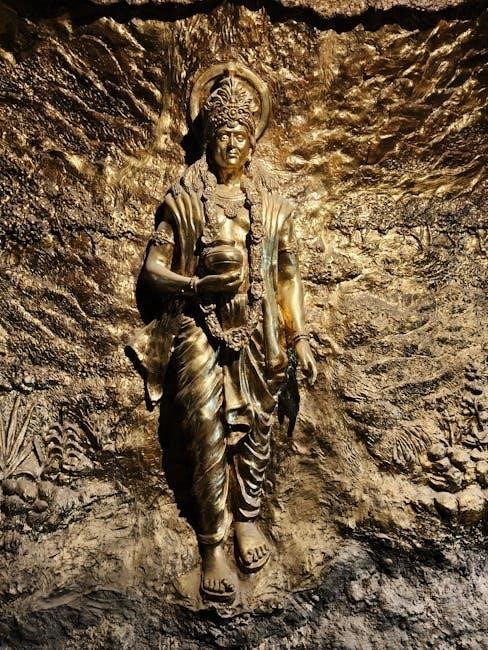
Rajiv Kapur provides a detailed translation and commentary on the Ashtavakra Gita, specifically focusing on Chapter 1, completed between 2011 and 2014․ This work, available online at http://www․rajivkapur․com, offers a contemporary perspective on the ancient text․ Kapur, described as a householder from Mumbai, India, presents his insights alongside the translation, aiming for clarity and accessibility․
Although a complete PDF of the entire Gita isn’t directly linked in the provided information, the availability of Chapter 1 suggests a broader project․ His commentary is valuable for those seeking a modern interpretation and deeper understanding of the Ashtavakra Gita’s core teachings․
Availability of Ashtavakra Gita PDFs Online
Ashtavakra Gita PDFs are accessible through several online digital libraries․ The Internet Archive hosts multiple versions, including Swami Nityaswarupananda’s translation from 1940, digitized from the S․V․ Digital Library in Tirupati, comprising 254 pages․ Additionally, the 1911 Khemraj Publishers Hindi translation is available․
Further resources include a Hindi book, “Ashtavakra Geeta․pdf”, offering another language option․ These platforms provide free download, borrowing, and streaming options, making the text widely available for study and contemplation․ The Internet Archive facilitates preservation and access to these valuable texts․
Internet Archive Resources
The Internet Archive serves as a crucial repository for Ashtavakra Gita PDFs․ Swami Nityaswarupananda’s translation (1940) is available, scanned from the S․V․ Digital Library, Tirupati, and identified by barcode 02990100068386․ The archive also hosts the 1911 Khemraj Publishers Hindi translation, offering a different linguistic approach to the text․
Furthermore, a Hindi book titled “HindiBook-ashtavakraGeeta․pdf” is accessible, scanned with ABBYY FineReader 8․0 at 150 PPI․ These resources offer free download options in various formats, including ABBYY GZ and DAISY, catering to diverse user needs and accessibility requirements․
eGangotri Resources
eGangotri provides access to the Ashtavakra Gita with Hindi Translation published by Khemraj Publishers in 1911․ This digitized version, identified as “AshtavakraGitaWithHindiTranslation1911KhemrajPublishers”, utilizes OCR technology (Tesseract 5․3․0-6-g76ae) with high confidence levels for both language (Hindi ⸺ 1․0000) and script (Devanagari ― 0․9957)․
The resource’s metadata indicates it was processed on March 19, 2017․ eGangotri’s offering is valuable for those seeking a traditional Hindi interpretation of the Ashtavakra Gita, providing a historical perspective alongside contemporary translations available elsewhere․ The PDF’s page number confidence is reported at 87%․
Analyzing PDF Quality and Authenticity
Assessing the quality of Ashtavakra Gita PDFs requires scrutiny․ Internet Archive and eGangotri resources vary․ Swami Nityaswarupananda’s version (1940) shows its age, potentially impacting readability․ Khemraj Publishers’ (1911) Hindi translation’s OCR quality, reported at 87% page number confidence, suggests potential errors․
Rajiv Kapur’s work (2011-2014) likely offers higher fidelity due to its recent origin․ Authenticity is best confirmed by comparing multiple versions and referencing established scholarly editions․ Look for clear publisher information and consistent text across pages․ Beware of PDFs lacking source details․
Understanding the Structure of the Ashtavakra Gita
The Ashtavakra Gita is classically organized into twenty chapters, each delving into profound philosophical insights․ PDFs available online generally maintain this structure, allowing for easy navigation; The text is composed of verses, employing specific meters common in Sanskrit literature․
Analyzing PDFs reveals consistent verse formatting, though digital reproductions may vary in visual presentation․ Understanding this structure aids comprehension, as each chapter builds upon previous teachings․ The PDF format facilitates searching for specific verses or themes within the text, enhancing study and reflection․
The Twenty Chapters

PDF versions of the Ashtavakra Gita consistently present the text divided into twenty distinct chapters․ These chapters aren’t simply sequential; they build upon each other, progressively unveiling the path to self-realization․ Each chapter tackles specific aspects of non-duality, detachment, and the illusory nature of reality․

Digital copies, like those found on Internet Archive, allow readers to easily jump between chapters, focusing on areas of particular interest․ The chapter divisions provide a natural framework for study and contemplation, making the complex philosophical concepts more accessible․ Exploring these chapters within a PDF format enhances focused learning․
Verse Structure and Meter
Ashtavakra Gita PDFs maintain the original verse structure, crucial for understanding the text’s rhythm and impact․ The verses are typically composed in a specific meter, enhancing memorability and aiding recitation․ While digital formats don’t replicate the auditory experience of chanting, they preserve the visual arrangement of the verses․
Different translations within PDFs may present the verses with varying levels of annotation․ Some versions prioritize literal accuracy, while others focus on conveying the essence of the meaning․ Recognizing the original structure, even in translation, is vital for appreciating the poetic and philosophical depth of the work․
Core Teachings of the Ashtavakra Gita
Ashtavakra Gita PDFs reveal central tenets focused on self-realization and liberation (Moksha)․ The text emphasizes renunciation and detachment from worldly desires as pathways to inner peace․ A core teaching is the recognition of the Self (Atman) as identical to Brahman, dissolving the illusion of individual existence․
PDF versions allow for focused study of these concepts, enabling readers to contemplate the nature of reality and the impermanence of suffering․ The Gita challenges conventional notions of happiness and encourages a radical acceptance of life’s experiences, ultimately leading to freedom from limitations․
Renunciation and Detachment
Ashtavakra Gita PDFs consistently highlight renunciation not as physical withdrawal, but as a mental detachment from outcomes and identifications․ Studying these PDF versions reveals the text advocates relinquishing attachment to possessions, relationships, and even the ego itself․ This isn’t about abandoning life, but transcending suffering caused by clinging․
The Gita emphasizes that true freedom arises from recognizing the Self is beyond the limitations of the material world․ PDF access facilitates repeated readings, deepening understanding of this crucial point․ Detachment, as presented, fosters equanimity, allowing one to navigate life’s challenges with inner peace and unwavering clarity․
Self-Realization and Liberation (Moksha)
Ashtavakra Gita PDFs unequivocally state that Self-Realization – recognizing one’s true nature as pure consciousness – is the key to liberation (Moksha)․ These digital texts emphasize that the Self is not the body, mind, or ego, but the unchanging witness of all experiences․ Accessing PDF versions allows for focused study of verses directly addressing this realization․
The path to Moksha, as detailed within these PDF resources, involves dismantling false identifications and dissolving the illusion of separation․ It’s a direct, non-dualistic approach, bypassing conventional spiritual practices․ Through consistent contemplation, guided by the text, one can experience freedom from the cycle of birth and death․
The Path to Inner Peace
Ashtavakra Gita PDFs illuminate a radical path to inner peace, rooted in acceptance and detachment․ These readily available digital texts advocate for equanimity amidst life’s fluctuations, urging readers to transcend dualities like pleasure and pain․ Studying these PDF versions reveals that peace isn’t found but realized by recognizing the Self as unchanging․
The text, accessible through various PDF formats, encourages relinquishing attachment to outcomes and embracing the present moment․ It’s a call to witness thoughts and emotions without identification, fostering a sense of spaciousness and freedom․ Consistent engagement with the Ashtavakra Gita, via PDF study, cultivates lasting tranquility․
Practical Applications of the Ashtavakra Gita
Ashtavakra Gita PDFs offer profound guidance for daily living․ Accessing these texts encourages mindful awareness, prompting self-inquiry throughout the day․ The teachings, readily available in PDF format, advocate for detaching from identifying with the body and mind, fostering emotional resilience․
When facing adversity, the Ashtavakra Gita – through its PDF versions – reminds us that suffering arises from attachment․ Utilizing its principles helps navigate challenges with equanimity․ Regular study of these PDF resources cultivates a perspective shift, enabling acceptance and inner peace, even amidst life’s inevitable difficulties․ It’s a practical guide to liberation․
Daily Life and Mindfulness
Ashtavakra Gita PDFs serve as portable guides for integrating mindfulness into everyday routines․ The text encourages observing thoughts and emotions without judgment, a practice easily facilitated by frequent access to the PDF․ Applying its teachings involves recognizing the illusory nature of the self, diminishing reactivity to external events․
By regularly consulting the PDF, one can cultivate detachment from outcomes, fostering a sense of inner freedom․ Simple exercises, inspired by the text, include mindful breathing and self-reflection․ The Ashtavakra Gita, in PDF form, promotes present moment awareness, transforming ordinary activities into opportunities for spiritual growth and self-realization․
Dealing with Suffering and Adversity

Ashtavakra Gita PDFs offer profound insights into navigating life’s inevitable challenges․ The text asserts that suffering arises from identification with the impermanent, a concept readily accessible through repeated study of the PDF․ It encourages viewing adversity as a catalyst for self-discovery, rather than a source of pain․
By understanding the illusory nature of reality – as detailed in the PDF – one can lessen the grip of negative emotions․ The Ashtavakra Gita promotes equanimity, fostering resilience in the face of hardship․ Accessing the text in PDF format allows for consistent reflection, cultivating inner strength and detachment from external circumstances, ultimately leading to liberation․
Comparing the Ashtavakra Gita with Other Vedanta Texts
Ashtavakra Gita PDFs reveal a more direct and radical approach to Advaita Vedanta compared to the Bhagavad Gita․ While the Bhagavad Gita emphasizes karma yoga as a path to liberation, the Ashtavakra Gita, accessible through PDF versions, prioritizes jnana – direct knowledge – as the swifter route․
Compared to the expansive philosophical scope of the Upanishads, the Ashtavakra Gita, conveniently studied via PDF, presents a concentrated and intensely practical guide to self-realization․ Both share the core non-dualistic principle, but the Ashtavakra Gita’s PDF format allows focused study of its unique, often challenging, teachings․
Bhagavad Gita
Ashtavakra Gita PDFs offer a contrasting perspective to the Bhagavad Gita’s emphasis on dharma and righteous action․ While the Bhagavad Gita advocates selfless service as a path to liberation, the Ashtavakra Gita, readily available in PDF format, champions immediate self-realization through knowledge․
Both texts, though rooted in Vedanta, differ in approach․ The Bhagavad Gita, often studied alongside Ashtavakra Gita PDFs, presents a gradual path, while the Ashtavakra Gita advocates a more direct and immediate transcendence of illusion․ Studying both via PDF provides a comprehensive understanding of Vedanta’s diverse expressions․
Upanishads
Ashtavakra Gita PDFs, when studied alongside the Upanishads, reveal a shared foundation in Advaita Vedanta․ The Upanishads, ancient philosophical texts, explore the nature of reality and the self – themes central to the Ashtavakra Gita, accessible through numerous PDF versions online․

However, the Ashtavakra Gita presents these concepts in a more concise and direct manner․ While the Upanishads often employ allegories and narratives, the Ashtavakra Gita, found in convenient PDF downloads, utilizes a question-and-answer format․ Both sources, when examined via PDF, illuminate the path to self-realization and liberation․
Resources for Further Study
Ashtavakra Gita PDF study can be greatly enhanced through supplementary resources․ Online forums and communities dedicated to Advaita Vedanta offer discussions and interpretations of the text, often referencing available PDF versions․ Scholarly articles and books provide deeper analysis, contextualizing the Gita within its historical and philosophical framework․
Rajiv Kapur’s website (rajivkapur․com) offers detailed chapter-by-chapter translations and commentaries, complementing the PDF․ Exploring resources like the Internet Archive and eGangotri, where various PDF translations reside, broadens understanding․ These resources facilitate a comprehensive exploration of this profound text․

Online Forums and Communities

Ashtavakra Gita PDF study benefits immensely from engagement with online forums and communities․ These platforms foster discussions about interpretations, challenging verses, and practical applications of the teachings found within the PDF texts․ Seek out groups dedicated to Advaita Vedanta, as the Gita is a core text within this school of thought․
Participants often share insights gleaned from different translations – Swami Nityaswarupananda, Khemraj Publishers, and Rajiv Kapur – enriching understanding․ These communities provide a space to ask questions, share experiences, and deepen one’s connection to the wisdom contained in the Ashtavakra Gita PDF․
Scholarly Articles and Books
Ashtavakra Gita PDF study is greatly enhanced by consulting scholarly resources․ While direct academic articles specifically on PDF versions are rare, research on the Ashtavakra Gita itself provides crucial context․ Explore publications analyzing its philosophical underpinnings, particularly its relationship to Advaita Vedanta and non-duality․
Books offering detailed commentaries, beyond those accompanying PDF translations like those by Swami Nityaswarupananda, Khemraj Publishers, or Rajiv Kapur, provide deeper insights․ Look for works examining the historical context and the Gita’s place within the broader landscape of Indian spiritual literature․ These resources illuminate the text’s nuances․
Downloading and Using Ashtavakra Gita PDFs Responsibly
Downloading Ashtavakra Gita PDFs from platforms like Internet Archive and eGangotri offers convenient access, but responsible usage is paramount; Respect copyright restrictions; many older translations, like the 1911 Khemraj Publishers version, may still be protected․ Prioritize sources offering clearly stated usage rights․
Verify the authenticity of PDFs – compare versions and check for scanning errors, as noted in some Internet Archive entries․ Use downloaded materials for personal study and spiritual growth, avoiding unauthorized distribution․ Support authors and publishers by considering purchasing physical copies or newer digital editions when available․
Copyright and Ethical Considerations
Ashtavakra Gita PDFs, particularly older translations like Swami Nityaswarupananda’s (1940) and the Khemraj Publishers’ (1911) edition, present copyright complexities․ While some may be in the public domain, diligent checking is crucial before distribution․ Ethical use involves respecting the intellectual property of translators and publishers․
Avoid unauthorized sharing or commercial exploitation of PDFs․ Supporting authors through legitimate purchases encourages continued scholarship․ Acknowledge the source when referencing material, and refrain from altering content without permission․ Prioritize accessing versions with clear usage licenses, ensuring responsible engagement with this sacred text․

Future of Ashtavakra Gita Digitalization
Ashtavakra Gita PDF accessibility will likely expand through ongoing digitization efforts․ Initiatives like those seen on Internet Archive and eGangotri demonstrate a growing trend of preserving and sharing ancient texts․ Future projects could focus on higher-resolution scans, improved Optical Character Recognition (OCR) for better searchability, and multi-language translations․
Crowdsourced transcription and proofreading could enhance accuracy․ Interactive PDFs with embedded commentaries and audio recitations are also possibilities․ The development of dedicated mobile apps offering access to the text and related resources would further broaden its reach, fostering deeper engagement with this profound philosophical work․