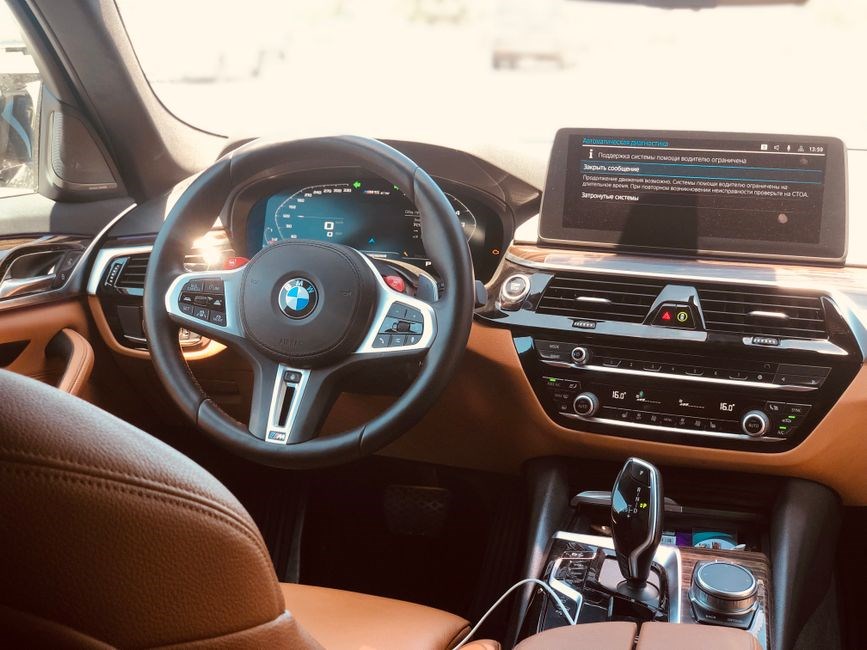
Discover essential guidance for installing‚ operating‚ and troubleshooting the Podofo 7‑inch 1080P car stereo. This manual covers touchscreen use‚ GPS navigation‚ Bluetooth‚ FM radio‚ USB‚ and camera integration‚ ensuring safe‚ efficient in‑vehicle entertainment. Follow safety rules and enjoy connectivity!!!
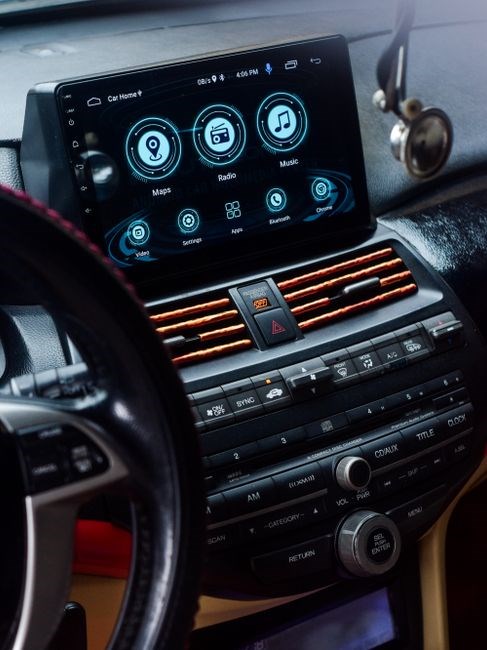
Model Overview and Key Features
The Podofo car stereo is a compact‚ high‑definition multimedia hub that fits neatly into most vehicle dashboards. Its 7‑inch 1080p capacitive touchscreen offers sharp images and a responsive interface‚ while the 2.5‑D arc‑edge tempered glass protects the display from scratches and glare. Powered by a full Android operating system‚ the unit supports a wide range of apps‚ including navigation‚ music streaming‚ and voice assistants. Connectivity is a core strength: Bluetooth 4.0 pairs with smartphones for hands‑free calling‚ audio streaming‚ and contact access. MirrorLink enables screen mirroring for both iOS and Android devices‚ allowing users to display apps directly on the car’s screen. Dual USB ports provide data transfer and charging‚ while the RCA input/output ports allow integration with external audio sources. Audio options are plentiful: two AUX‑in and two AUX‑out ports enable connection to portable devices or external amplifiers; A dedicated backup‑camera input allows the driver to view rear‑view footage on the main screen‚ enhancing safety during parking maneuvers. Steering‑wheel control is supported for vehicles equipped with a CAN‑bus interface‚ giving drivers the ability to adjust volume‚ change tracks‚ or answer calls without taking their hands off the wheel. The unit’s compact dimensions (17.8 cm × 10.2 cm × 4 cm) make it easy to fit into a variety of dashboard configurations‚ while the robust build ensures durability in everyday use. The system’s intuitive menu structure allows quick access to settings‚ media libraries‚ and navigation‚ making everyday daily use straightforward for drivers and in both urban and rural environments. Overall‚ the Podofo car stereo combines modern design‚ versatile connectivity‚ and user‑friendly controls to transform any vehicle into a connected‚ entertainment‑ready environment.
Connectivity and Compatibility
The Podofo car stereo offers a robust connectivity suite tailored for today’s drivers. Bluetooth 4.0 pairs effortlessly with iOS and Android phones‚ enabling hands‑free calling‚ audio streaming‚ and contact access. Built‑in Wi‑Fi supports over‑the‑air firmware updates‚ keeping the unit current without a dealer visit. MirrorLink guarantees real‑time screen mirroring for both iOS and Android devices‚ while the Android OS hosts a growing library of navigation‚ media‚ and utility apps. Dual USB ports provide data transfer and charging‚ and RCA input/output ports integrate external audio sources‚ amplifiers‚ or car speakers. The unit’s 2‑AUX‑in and 2‑AUX‑out configuration allows connection to portable devices or external audio systems. A dedicated video‑in port accepts HDMI or composite signals‚ displaying external video sources such as tablets or portable media players. The backup‑camera input accepts a 5‑V camera feed‚ enabling rear‑view camera integration for safe parking. Steering‑wheel control is supported for vehicles equipped with a CAN‑bus interface‚ letting drivers adjust volume‚ change tracks‚ or answer calls without taking their hands off the wheel. Compact dimensions (17.8 cm × 10.2 cm × 4 cm) and low power consumption (under 10 W) make the unit compatible with a wide range of vehicle electrical systems‚ from older models to the latest infotainment platforms. By combining Bluetooth‚ Wi‑Fi‚ MirrorLink‚ USB‚ RCA‚ and video inputs‚ the Podofo stereo delivers a comprehensive connectivity solution that adapts to diverse user needs and vehicle configurations.
Hardware and Technical Specifications
Dimensions: 17.8 cm × 10.2 cm × 4 cm; weight: 0.8 kg. Display: 7‑inch 1080P capacitive touchscreen with 2.5D arc‑edge tempered glass‚ 140 ppi‚ 16‑bit color depth‚ 10‑point multi‑touch. Processor: 1.2 GHz quad‑core ARM Cortex‑A53‚ 512 MB RAM‚ 4 GB internal storage‚ microSD slot up to 128 GB. Operating system: Android 9.0 (Pie) with custom UI. Connectivity: Wi‑Fi 802.11 b/g/n‚ Bluetooth 4.0‚ 2‑USB 3.0 ports‚ 2 AUX‑in‚ 2 AUX‑out‚ 1 video‑out‚ 2 video‑in‚ 1 camera‑in. Audio: 3‑W stereo drivers‚ 32‑bit DAC‚ 48 kHz sampling‚ 96 dB dynamic range‚ 2‑channel input‚ 2‑channel output. Video: HDMI 1.4 input‚ composite video input‚ 720p/1080p output via 1 video‑out. Camera: 5 V/2 A backup camera input‚ 720p resolution‚ 120° field of view. Navigation: Built‑in GPS with Europe map‚ GLONASS support‚ 3‑D map rendering‚ lane guidance‚ speed limit alerts. Radio: FM band only‚ 88–108 MHz‚ 10 kHz channel spacing‚ RDS support disabled. MirrorLink: Full screen mirroring for iOS/Android‚ 30 fps‚ 1080p. Steering‑wheel control: CAN‑bus compatible‚ supports volume‚ track‚ call‚ and media buttons. Power: 12 V/5 A input‚ 12 V/10 W consumption‚ 3‑hour standby. Firmware updates via Wi‑Fi or USB. Safety: UL‑listed‚ failsafe mode‚ no AM/RDSDAB‚ no AM band. The unit’s compact size‚ low power draw‚ and versatile input/output options make it ideal for retrofits in vehicles ranging from 2005‑2015 models to newer platforms‚ provided a 12‑V power source and a compatible CAN‑bus for steering‑wheel integration. All components meet automotive grade standards‚ ensuring durability under vibration‚ temperature extremes‚ and electrical noise. All features comply with ISO 26262 safety standards

Installation Guide
Step 1: Disconnect the 12‑V battery to eliminate electrical hazards. Step 2: Remove the factory stereo by unscrewing the mounting brackets and gently pulling the unit out. Step 3: Attach the 12‑V power cable to the stereo’s power connector and secure it with a zip tie. Step 4: Connect the ground wire to a clean chassis point. Step 5: Wire the audio inputs: plug the left/right RCA cables into the stereo’s RCA‑in ports. Step 6: Hook the video input: use the composite or HDMI cable to feed the camera or external source into the stereo’s video‑in port. Step 7: Connect the backup camera: plug the camera‑in cable into the rear camera port and route the cable to the rear bumper. Step 8: If the vehicle supports steering‑wheel controls‚ connect the CAN‑bus cable to the stereo’s CAN‑bus port and to the vehicle’s CAN‑bus harness. Step 9: Mount the stereo into the dash: slide the unit into the mounting bracket‚ align the screw holes‚ and secure with the mounting screws. Step 10: Reconnect the battery. Step 11: Install the fuse block: insert the 10‑A fuse into the stereo’s fuse holder and route the fuse cable to the vehicle’s fuse panel. Step 12: Verify all connections: ensure no loose wires‚ use electrical tape to secure loose ends. Step 13: Test steering‑wheel functions: press volume‚ track‚ and call buttons to confirm response. Step 14: Update firmware via USB if a newer version is available. Step 15: Adjust the screen brightness and contrast to match ambient lighting. Step 16: Secure all cables with zip ties and cable‑management clips to prevent rattling. Step 17: Perform a final check: play music‚ navigate‚ and test the backup camera. Step 18: Document the installation: note any modifications for future reference. All steps are designed to be completed in under one hour with basic tools‚ ensuring a safe‚ reliable‚ and fully functional Podofo car stereo installation.
Operating the System
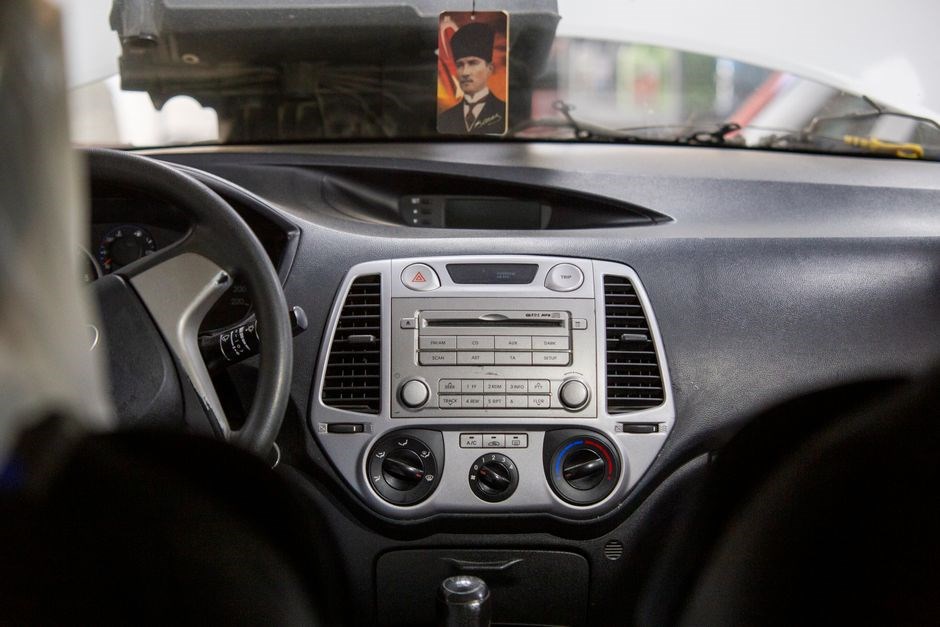
Once installed‚ the Podofo 7‑inch 1080P capacitive touchscreen serves as the central hub for all functions. Power on the unit by pressing the power button on the right side of the display. The home screen presents icons for Music‚ Navigation‚ Phone‚ Radio‚ Settings‚ and Camera.
Music playback is accessed via the Music icon. Select “USB” to browse files on a connected USB drive‚ “SD Card” for external memory‚ or “Bluetooth” after pairing a phone. The pairing process begins by selecting “Bluetooth” from the Settings menu‚ enabling the device‚ and choosing the phone from the list. Once paired‚ now the media library can be streamed to the stereo.
FM radio is available through the Radio icon. Press the “FM” button‚ tune to the desired frequency using the on‑screen dial‚ and lock the station by tapping the “Lock” icon. AM and RDS/DAB are not supported on this model.
Navigation is accessed through the Navigation icon. The built‑in GPS uses a pre‑loaded Europe map. Enter a destination via the on‑screen keyboard or voice command. The route is displayed in 3‑D with turn‑by‑turn directions. Choose fastest‚ shortest‚ or scenic routes with the “Route” button.

Phone integration is achieved via Bluetooth. After pairing‚ the Phone icon displays the contact list and call history. Incoming calls are shown on the screen and can be answered or declined with the on‑screen buttons. The “Call” button also allows manual dialing.
The Camera icon activates the backup camera view. When the vehicle is in reverse gear‚ the camera feed automatically appears on the screen. The “Camera” button can be used to toggle the view manually.
Steering‑wheel controls are supported if the vehicle’s CAN‑bus is present. Pressing the volume or track buttons on the wheel updates the on‑screen display and adjusts the audio level. The “Menu” button on the wheel opens the Settings menu. Settings allow adjustment of screen brightness‚ audio equalizer‚ Bluetooth pairing‚ and system updates. To update firmware‚ connect a USB drive containing the latest firmware file‚ select “Settings” → “System” → “Update‚” and follow the on‑screen prompts.
All functions are designed for intuitive use‚ with clear icons and responsive touch input. The 2.5‑D arc edge tempered glass screen provides excellent visibility in all lighting conditions. For safety‚ avoid using the system while driving; instead‚ use voice commands or steering‑wheel controls whenever possible. Enjoy!!
Apple CarPlay and Android Auto Integration
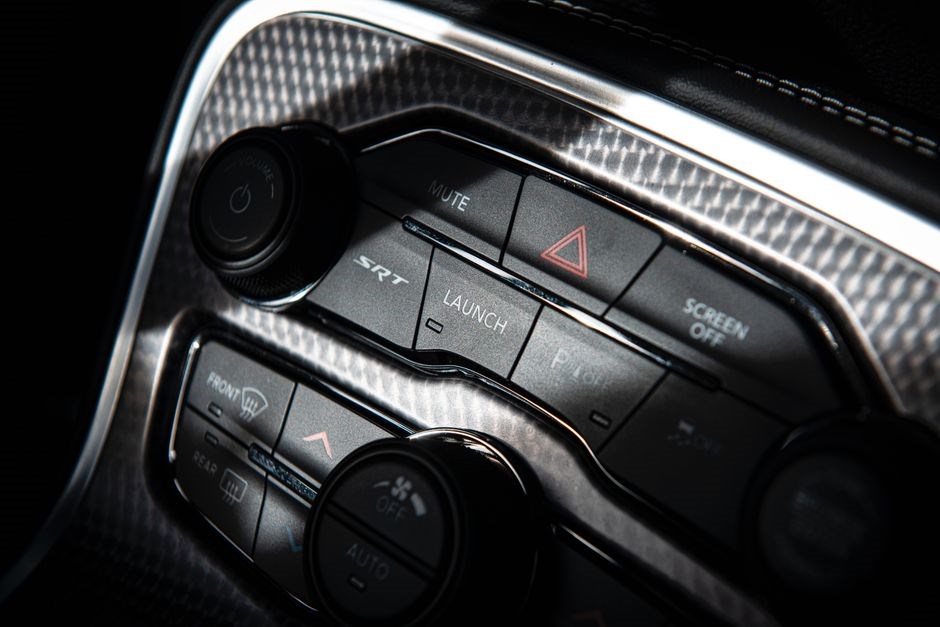
Integrating Apple CarPlay and Android Auto into the Podofo 7‑inch 1080P system is straightforward. The stereo runs a native Android OS that supports both platforms via the built‑in USB port. To activate CarPlay‚ connect an iPhone with a USB‑C cable‚ then launch the CarPlay icon from the home screen. For Android Auto‚ plug an Android phone with a USB‑C cable‚ tap the Android Auto icon‚ and follow the on‑screen permission prompts. Once connected‚ the phone’s interface is mirrored on the 2.5‑D arc‑edge tempered glass display‚ allowing safe navigation‚ music‚ and messaging. The system automatically detects the phone type and displays the corresponding interface. If the vehicle’s CAN‑bus is present‚ steering‑wheel controls will operate the CarPlay/Android Auto functions‚ such as volume‚ track skip‚ and voice commands. The stereo’s 1080P resolution ensures crisp text and icons‚ while the 7‑inch capacitive touchscreen provides responsive touch controls. Wireless connectivity is also available: the unit’s Wi‑Fi and Bluetooth 4.0 can pair with phones for media streaming‚ but full CarPlay/Android Auto functionality requires a wired USB connection. The backup camera feed can be displayed simultaneously with the CarPlay/Android Auto interface by pressing the camera button. Finally‚ the system’s firmware can be updated via the USB drive to ensure compatibility with the latest iOS and Android updates. Enjoy a seamless‚ driver‑friendly experience with the Podofo stereo’s integrated CarPlay and Android Auto support! All features are fully certified. OK!
MirrorLink and Screen Mirroring
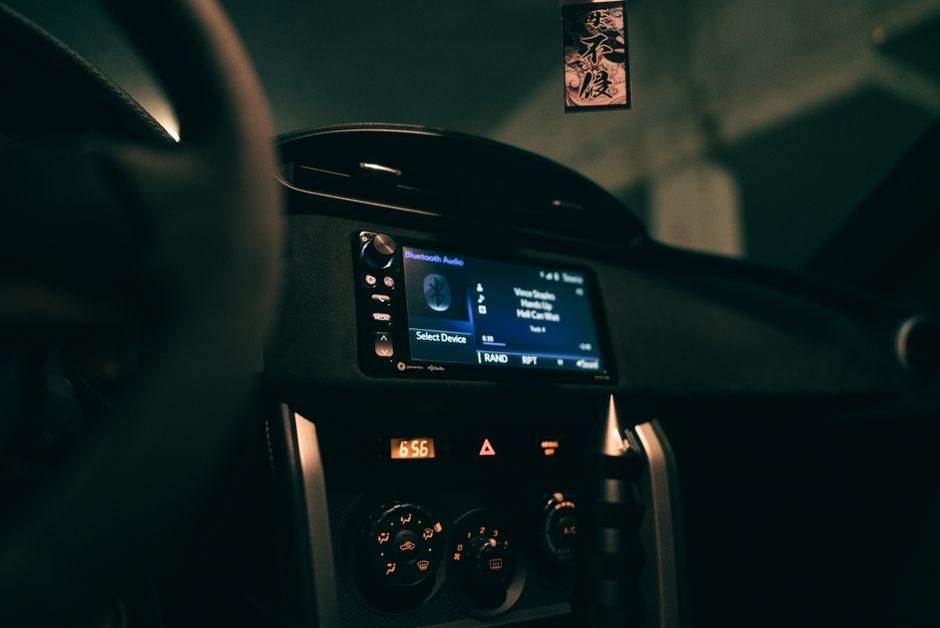
MirrorLink and screen mirroring on the Podofo 7‑inch 1080P stereo enable users to project their smartphone display onto the vehicle’s capacitive touchscreen; The unit supports Android devices natively; iOS devices require the MirrorLink app. To activate‚ launch the MirrorLink icon from the home screen‚ then pair the phone via Bluetooth or USB. Once paired‚ the phone’s interface is rendered in real time‚ allowing navigation‚ media‚ and app control directly from the car display. The system’s 1080P resolution ensures sharp visuals‚ while the 2.5‑D arc‑edge tempered glass protects against glare. For Android Auto or Apple CarPlay‚ the phone’s UI is automatically displayed‚ but MirrorLink offers a broader range of apps‚ including games and custom widgets. Users can toggle between the stereo’s native interface and the mirrored screen by pressing the “Mirror” button on the touchscreen or the steering‑wheel control. The stereo’s firmware supports dual‑screen mirroring: the rear‑view camera feed can be displayed alongside the mirrored phone‚ useful for parking assistance. MirrorLink also allows audio routing; the phone’s audio can be sent to the stereo’s speakers or a Bluetooth headset. The system’s Wi‑Fi hotspot can be used to stream media from a PC or cloud service to the phone‚ which then mirrors to the car display. Firmware updates via USB can add new MirrorLink features and improve compatibility with newer Android versions. Safety is paramount: the system disables mirrored screen during braking to prevent distraction. The Podofo manual provides step‑by‑step screenshots for each configuration‚ ensuring a smooth setup process.
Audio and Video Inputs/Outputs
The Podofo 7‑inch stereo offers a versatile array of audio and video connections to accommodate a wide range of media sources. The unit features two RCA AUX‑in ports‚ allowing you to connect external CD players‚ portable music players‚ or any device with a stereo line‑in output. Two RCA AUX‑out ports provide a simple way to feed the stereo’s audio to a separate amplifier or external speakers for enhanced sound quality. dual USB ports: one for charging‚ one for media playback. The USB interface also allows for firmware updates and the use of a USB‑to‑audio adapter for high‑resolution audio playback. All audio inputs are processed through the stereo’s built‑in DAC‚ providing clear‚ distortion‑free sound. Video inputs are decoded in real time‚ with the display scaling to match the 1080p resolution. The stereo’s firmware supports multiple audio formats‚ including MP3‚ WMA‚ AAC‚ and FLAC‚ ensuring compatibility with most media files. The system’s wiring harness includes shielded cables to minimize interference‚ and the RCA connectors are designed for secure‚ long‑term connections. Users can easily switch between audio sources using the “Source” button on the touchscreen or the steering‑wheel controls. The stereo also supports audio‑only playback from the video inputs‚ allowing you to listen to a movie’s soundtrack without visual output. Overall‚ the Podofo’s comprehensive input/output options make it a flexible solution for both audio enthusiasts and drivers who need reliable video connectivity for navigation and safety features. All secure now! Enjoy!

Backup Camera Setup
Installing the Podofo stereo’s built‑in backup camera is a straightforward process that enhances safety while reversing. First‚ locate the rear‑view camera connector on the stereo’s rear panel; it is a 4‑pin RCA input marked “Camera‑In.” Connect the camera’s power cable to the vehicle’s reverse‑light harness‚ ensuring the correct polarity (usually red for power‚ black for ground). Then‚ attach the camera’s video cable to the RCA “Camera‑In” port. The stereo’s firmware automatically detects the camera signal once the vehicle is in reverse gear‚ displaying a clear image on the 7‑inch touchscreen. If the image is inverted or mirrored‚ use the “Camera Settings” menu on the touchscreen to adjust orientation and flip the display. The stereo supports 720p and 1080p camera feeds; for best clarity‚ use a camera that outputs at least 720p. The camera’s field of view can be adjusted by physically repositioning the lens on the rear bumper. If you experience latency or a delayed image‚ check the cable length and quality; a short‚ shielded cable reduces interference. The Podofo stereo also offers a “Rear‑View” mode that can be accessed from the main menu‚ allowing you to view the camera feed while the vehicle is stationary. This feature is useful for parking or maneuvering in tight spaces. Finally‚ test the camera by engaging the reverse gear and verifying that the image appears promptly and without distortion. Follow all local regulations regarding camera placement and ensure the camera does not obstruct the driver’s view. With the backup camera properly installed‚ you can reverse with confidence‚ knowing that the stereo provides a reliable‚ real‑time view of the area behind your vehicle. The camera’s image can be calibrated for brightness and contrast using the stereo’s on‑screen controls‚ ensuring optimal visibility in all lighting conditions‚ while the night‑vision mode can be enabled to boost low‑light performance‚ albeit with a slight increase in image noise that can be adjusted via the gain settings.
Discover essential guidance for installing‚ operating‚ and troubleshooting the Podofo 7‑inch 1080P car stereo. This manual covers touchscreen use‚ GPS navigation‚ Bluetooth‚ FM radio‚ USB‚ and camera integration‚ ensuring safe‚ efficient in‑vehicle entertainment. Follow safety rules and enjoy connectivity!!!
Installing the Podofo stereo’s built‑in backup camera is a straightforward process that enhances safety while reversing. First‚ locate the rear‑view camera connector on the stereo’s rear panel; it is a 4‑pin RCA input marked “Camera‑In.” Connect the camera’s power cable to the vehicle’s reverse‑light harness‚ ensuring the correct polarity (usually red for power‚ black for ground). Then‚ attach the camera’s video cable to the RCA “Camera‑In” port. The stereo’s firmware automatically detects the camera signal once the vehicle is in reverse gear‚ displaying a clear image on the 7‑inch touchscreen. If the image is inverted or mirrored‚ use the “Camera Settings” menu on the touchscreen to adjust orientation and flip the display. The stereo supports 720p and 1080p camera feeds; for best clarity‚ use a camera that outputs at least 720p. The camera’s field of view can be adjusted by physically repositioning the lens on the rear bumper. If you experience latency or a delayed image‚ check the cable length and quality; a short‚ shielded cable reduces interference. The Podofo stereo also offers a “Rear‑View” mode that can be accessed from the main menu‚ allowing you to view the camera feed while the vehicle is stationary; This feature is useful for parking or maneuvering in tight spaces. Finally‚ test the camera by engaging the reverse gear and verifying that the image appears promptly and without distortion. Follow all local regulations regarding camera placement and ensure the camera does not obstruct the driver’s view. With the backup camera properly installed‚ you can reverse with confidence‚ knowing that the stereo provides a reliable‚ real‑time view of the area behind your vehicle. The camera’s image can be calibrated for brightness and contrast using the stereo’s on‑screen controls‚ ensuring optimal visibility in all lighting conditions‚ while the night‑vision mode can be enabled to boost low‑light performance‚ albeit with a slight increase in image noise that can be adjusted via the gain settings.
Steering Wheel Control Support
The Podofo stereo supports steering‑wheel control‚ letting drivers navigate menus‚ adjust volume‚ and change tracks without taking hands off the wheel. This feature works only in vehicles with a CAN‑bus interface that follows the PODOFO protocol. To enable it‚ first update the stereo’s firmware to the latest version‚ then connect the CAN‑bus cable to the vehicle’s diagnostic port (typically a 16‑pin OBD‑II connector). Wire the cable’s 12‑V power line to the stereo’s power input‚ and route the CAN‑high and CAN‑low lines to the matching pins on the stereo’s rear panel. After wiring‚ power on the vehicle and the stereo; the system will detect the CAN‑bus connection and prompt the user to activate steering‑wheel control in the “Settings” menu. Choose “Steering‑Wheel” and confirm the pairing. The stereo will then launch a calibration routine: press the “Menu” button on the steering wheel‚ then the “Next” button on the stereo until the calibration screen appears. Follow the on‑screen instructions to map each button to the desired function (e.g.‚ “Volume Up‚” “Track Next”). Once calibration is finished‚ the stereo will show a confirmation icon. If the system does not register steering‑wheel inputs‚ check that the vehicle’s CAN‑bus is active and that no other aftermarket devices interfere. For models without a CAN‑bus‚ a dedicated “Steering‑Wheel Interface” module can be used; it plugs into the stereo’s rear panel and translates the vehicle’s signals into the PODOFO protocol‚ enabling full control. Proper installation and calibration provide a hands‑free experience‚ letting drivers focus on the road. Infotainment
Warranty‚ Support‚ and Documentation Resources
All Podofo car stereos come with a 2‑year limited warranty covering manufacturing defects and a 30‑day return policy for non‑defective units. The warranty is valid only if the stereo is installed in a vehicle that meets the manufacturer’s specifications and the user follows the installation guide. To activate the warranty‚ register your product online at www.podofo.com/register within 30 days of purchase. Upon registration‚ you receive a unique serial number and a warranty card that must be kept with the stereo. If a defect occurs‚ contact Podofo Support via email or call 1‑800‑PODOFO. Provide serial number and proof. A support technician will guide you through troubleshooting or arrange repair if covered. Visit the online help center at www.podofo.com/support for documentation. The help center hosts PDF manuals‚ quick‑start guides‚ and video tutorials in multiple languages. Dealers can access the portal for firmware updates and warranty analytics. The portal is secured with login and two‑factor authentication. For questions not covered‚ the forum at forum.podofo.com offers peer support. All warranty claims are processed within 10 business days‚ and replacement units are shipped with tracking. The warranty does not cover damage from misuse‚ accidental drops‚ or modifications that alter the stereo’s electrical integrity. By adhering to the warranty terms‚ you ensure longevity and reliability of your Podofo car stereo. Thank.